Essential Legal Advice for Personal Injury Cases
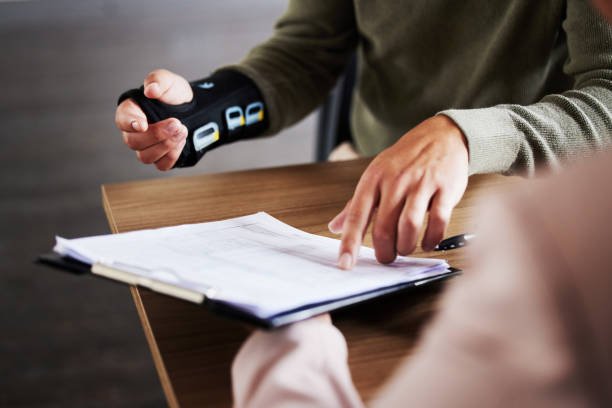
Understanding Personal Injury Law
Personal injury law serves a critical function in the legal system by providing a mechanism through which individuals can seek compensation for harm sustained as a result of someone else’s negligence or wrongful conduct. This area of law encompasses a broad scope of cases where a party may be held liable for causing physical, emotional, or psychological injuries to another. The primary objective is to ensure that victims can recover damages for their losses, which often involve medical expenses, lost wages, and pain and suffering.
Personal injuries can arise from various incidents, including but not limited to car accidents, slip and fall incidents, workplace injuries, and medical malpractice. These cases are distinguished by the fact that the injured party seeks monetary compensation from the party deemed responsible for their injuries. For instance, in a car accident scenario, a driver who fails to adhere to traffic laws may be held liable for the injuries sustained by others involved in the accident. Similarly, in slip and fall cases, property owners can be liable if they neglect to maintain safe conditions on their premises.
Central to personal injury law are the legal principles of negligence and liability. Negligence refers to the failure to exercise reasonable care, resulting in harm to another person. A claimant must generally prove that the defendant had a duty to act with care, that this duty was breached, and that the breach directly caused the injuries in question. Liability, therefore, relates to the extent to which the defendant is legally responsible for the injuries sustained. Furthermore, damages in personal injury cases are categorized into compensatory and punitive damages, aiming to make the injured party whole and to deter wrongful conduct, respectively.
When to Seek Legal Advice
In personal injury cases, the moment to seek legal advice can significantly influence the outcome of your claim. There are several critical situations that should prompt individuals to consult with a qualified attorney. First and foremost, if you have sustained serious injuries as a result of an accident, obtaining legal advice is crucial. Serious injuries often lead to extensive medical treatment, and an attorney can assist in ensuring that all medical expenses are documented and considered in your claim.
Another important factor is the duration of your recovery. If you find yourself facing a prolonged recovery period, it can complicate matters related to insurance claims and potential compensation. In these instances, having legal representation can help navigate the complexities of long-term medical care and necessary adjustments to your living conditions.
Additionally, it is vital to seek professional advice when dealing with insurance companies. Insurance adjusters are trained to minimize payouts and may not have your best interests in mind. An experienced lawyer is skilled at negotiating with insurers and can help ensure that you receive fair compensation for your injuries and related expenses.
Furthermore, if you encounter difficulties with your claim or if liability is disputed, seeking legal advice becomes imperative. An attorney can offer clarity on liability issues and assist in gathering evidence to support your case. They may also outline the legal proceedings and the likelihood of a successful outcome, allowing individuals to make informed decisions about proceeding. In essence, while not every personal injury case requires an attorney, recognizing these pivotal instances can substantially improve the chances of securing just compensation for your injuries and losses.
Choosing the Right Personal Injury Lawyer
Finding the right personal injury lawyer is a critical step in navigating the complexities of personal injury claims. One of the primary factors to consider is the lawyer’s experience in handling similar cases. An attorney with a proven track record in personal injury law will possess the expertise necessary to navigate the legal intricacies, potentially increasing the likelihood of a favorable outcome. Candidates should be evaluated not just on years in practice but also their familiarity with specific types of cases, such as vehicle accidents, medical malpractice, or workplace injuries.
Another essential aspect is the lawyer’s specialization. Personal injury law encompasses a wide range of areas, and it is advisable to seek an attorney who focuses primarily on this field. Specialized lawyers are often more adept at dealing with the nuances of personal injury claims, providing clients with a distinct advantage. Reputation also plays a significant role; potential clients should look for lawyers with positive reviews and strong referrals from past clients or colleagues.
Communication style is crucial, as effective dialogue between client and attorney can greatly enhance the legal representation experience. A suitable lawyer should demonstrate the ability to explain complex legal concepts in understandable terms, addressing concerns and uncertainties that may arise throughout the process. Lastly, an evaluation of the lawyer’s fee structure is necessary. Transparency regarding fees, whether they are contingency-based or hourly, helps clients set realistic expectations about their financial commitments.
Furthermore, it is imperative to find an attorney who displays empathy and understands the client’s situation. Personal injury cases often involve significant emotional strain, and having a lawyer who listens and advocates for the client’s best interests can make a substantial difference. Ultimately, thorough research and consideration of these factors will contribute to selecting an attorney who aligns with the client’s needs and expectations.
The Personal Injury Claim Process
The personal injury claim process can be intricate and time-consuming, but understanding the steps involved can significantly enhance the likelihood of a favorable outcome. It begins with the initial consultation with an attorney, where the claimant discusses the details of their injury, the circumstances surrounding it, and the potential for a valid claim. During this crucial meeting, the attorney evaluates the merits of the case, discussing the legal options that may be available to the injured party.
Once the decision is made to pursue a claim, gathering evidence is the next essential step. This involves collecting medical records, accident reports, witness statements, and any relevant documentation that supports the claim. Comprehensive evidence is vital as it substantiates the circumstances of the injury and determines the extent of liability. An attorney usually aids in gathering and organizing this information to present a strong case.
Following evidence accumulation, the actual filing of the claim occurs. This entails submitting a demand letter to the at-fault party’s insurance company, outlining the details of the incident, the injuries sustained, and the compensation sought. After filing, negotiations typically take place between the injured party’s attorney and the insurance representatives. This negotiation phase aims to reach a fair settlement without the need for litigation, which can be both costly and lengthy.
If negotiations falter or the insurance company fails to offer a reasonable settlement, the case may move toward trial. Preparation becomes crucial at this stage, and the personal injury attorney will work diligently to ready the case for court by gathering additional evidence and preparing arguments. Although most personal injury claims are settled before reaching this point, the possibility of going to trial still remains, highlighting the importance of strategic legal representation throughout the entire process.
Common Pitfalls to Avoid in Personal Injury Cases
Pursuing a personal injury case can be a complex process that, if not handled properly, may lead to unfavorable outcomes for the claimant. Recognizing and avoiding common pitfalls is essential to safeguarding one’s rights. One of the most significant mistakes individuals make is delaying medical treatment after an injury. Timely medical documentation not only aids in recovery but also serves as crucial evidence in supporting the personal injury claim. Failure to seek prompt treatment may not only hinder healing but can also raise doubts about the severity of injuries in the eyes of insurance adjusters and juries alike.
Another common error is the inadequate documentation of injuries and related expenses. Claimants should meticulously record all related medical visits, treatments, and expenses incurred in the wake of the incident. This comprehensive documentation is vital when negotiating settlements, as insurance companies are often inclined to dispute claims that lack thorough evidence. Therefore, keeping detailed records, including photographs, medical bills, and receipts, can substantially strengthen one’s case.
Furthermore, making recorded statements to insurance companies without first consulting a legal professional is a mistake that can have detrimental effects. Insurers may use these statements against the claimant, potentially reducing the liability they face. It is advisable to seek legal counsel before engaging in any discussions with insurers to ensure that one’s rights are fully protected.
Lastly, settling a claim too quickly can be detrimental, as it may be motivated by the desire to resolve financial worries swiftly. Insurance companies often attempt to offer lower settlements soon after an accident, which may not reflect the full extent of current or future costs associated with injuries. Claimants should take the time to assess the entirety of their situation before accepting any settlement offers, ensuring they do not forfeit their right to additional compensation later.
Calculating Damages in Personal Injury Claims
In personal injury claims, calculating damages is a critical step that ensures victims receive fair compensation for their losses. Damages are often categorized into two main types: economic and non-economic damages. Understanding these categories is vital for claimants as they navigate the complexities of personal injury cases.
Economic damages refer to tangible, quantifiable losses incurred as a result of an injury. These include medical bills, rehabilitation expenses, and lost wages due to time off work. Claimants must gather thorough documentation, such as medical invoices, pay stubs, and other relevant records, to substantiate these claims. Accurately quantifying these expenses is essential, as it allows the injured party to demonstrate the direct financial impact of the injury on their life.
On the other hand, non-economic damages represent intangible losses that are more challenging to quantify. This category includes pain and suffering, emotional distress, loss of enjoyment of life, and other subjective experiences that arise from the injury. Unlike economic damages, which are straightforward to calculate, non-economic damages require a more nuanced approach. Victims may consider factors such as the severity and duration of pain, how their daily activities have been affected, and their overall emotional recovery when substantiating these claims.
To maximize potential settlements, it is advisable for claimants to keep a detailed record of their experiences post-injury. This documentation can involve maintaining a journal to describe the emotional and physical challenges faced or collecting testimonies from family and friends about the impact of the injury on one’s life. Establishing a comprehensive picture of both economic and non-economic damages can play a significant role in reinforcing a claim for just compensation in personal injury cases.
The Role of Insurance Companies in Personal Injury Cases
In personal injury cases, insurance companies play a pivotal role, often acting as the primary point of contact for claimants seeking compensation for damages incurred. These organizations primarily operate to mitigate their financial liabilities, employing various tactics aimed at minimizing payouts. Understanding these strategies can significantly influence the outcome of a personal injury claim.
Upon receiving a claim, insurance adjusters are assigned to evaluate the details of the incident. Their primary objective is to investigate the circumstances surrounding the injury, assess liability, and determine the validity of the claim. During this process, insurance adjusters may employ various tactics, such as requesting extensive documentation or questioning the extent of the injuries sustained. These measures are designed to create a narrative that favors the insurer, potentially leading to lower settlements.
For claimants, navigating discussions with insurance adjusters can be daunting. It is essential to recognize that adjusters are trained professionals representing the interests of the insurance company, not the injured party. This dynamic places individuals at a disadvantage, particularly if they are unfamiliar with the claims process. Insurers often use strategic delays and insufficient initial settlement offers to pressure claimants into accepting less than what they are entitled to. Claimants might feel overwhelmed, causing them to rush into agreements that do not fully compensate for their medical expenses, lost wages, or pain and suffering.
Given these challenges, having legal guidance is crucial. An experienced personal injury attorney can provide invaluable assistance by negotiating with insurance companies on the claimant’s behalf. This professional can help ensure that all relevant evidence is gathered, appropriate compensation amounts are pursued, and claimants are not taken advantage of during negotiations. Ultimately, understanding the role of insurance companies in personal injury cases empowers individuals to approach their claims confidently and competently.
The Importance of Evidence in Personal Injury Cases
In personal injury cases, the weight and quality of the evidence presented can be pivotal in determining the outcome of a claim. The evidence serves as the foundation upon which a case is built, supporting the claims made by the injured party and establishing the liability of the defendant. Hence, understanding the types of evidence that are necessary can significantly enhance the chances of a favorable resolution.
Medical records are among the most crucial pieces of evidence in personal injury claims. These documents not only provide a clear record of the injuries sustained but also outline the treatment received and the prognosis for recovery. Comprehensive medical records can help in substantiating the extent of the injuries and can indicate whether the injuries are permanent or temporary, which is vital for calculating damages.
Witness statements also play an essential role in corroborating the version of events as presented by the injured party. Eyewitnesses can provide unbiased accounts of the incident, which can be utilized to piece together a clearer narrative of what transpired. Their testimonies may bolster the credibility of the injured party’s claims and help counter any contrary narratives presented by the defense.
Accident reports, often generated by law enforcement at the scene, serve as an official account of the incident. These reports usually contain critical details, such as the time and location of the accident, any citations issued, and descriptions of the vehicles involved. The presence of an accident report can lend additional authority to a personal injury claim.
Finally, photographs from the scene of the accident can visually demonstrate the circumstances surrounding the event. Images can capture important details, such as vehicle positions, road conditions, and any contributing factors that might impact the case. Collectively, these types of evidence—medical records, witness testimonies, accident reports, and photographs—are instrumental in building a strong personal injury claim and can significantly influence the legal outcome.
What to Expect During a Settlement Negotiation
Settlement negotiations in personal injury cases are a pivotal stage in the pursuit of compensation for damages. This process involves discussions between the injured party, their legal representatives, and the insurance company or opposing party. Generally, negotiations aim to reach a mutually agreeable compensation amount without proceeding to trial, which can be time-consuming and costly.
Typically, the duration of a settlement negotiation can vary significantly depending on several factors, including the complexity of the case, the willingness of both parties to compromise, and the severity of the injuries involved. On average, negotiations may take several weeks to a few months, but this timeline can extend if there are multiple parties involved or disputes about the extent of injury and liability. Understanding this timeline is crucial for injured individuals to manage their expectations adequately.
Lawyers play an essential role in this negotiation process, employing various strategies to secure the best possible settlement for their clients. One common approach is conducting thorough research and preparing a comprehensive package that includes medical records, accident reports, estimated future medical costs, and evidence of lost wages. Presenting a well-documented case can significantly influence the negotiating power of the injured party. Additionally, lawyers often engage in effective communication tactics, such as framing their arguments to highlight the strengths of their client’s position while downplaying potential weaknesses.
It is also essential for individuals to remain patient throughout the negotiation phase. Rushing the discussions may lead to settling for an inadequate amount that does not fully compensate for the damages incurred. Taking the time to ensure that all aspects of the injury and its impact on life are considered can lead to a more favorable outcome. In a world where personal injury cases are often settled out of court, being prepared for negotiation is key to achieving satisfactory results.
Conclusion and Next Steps
In navigating the complexities of personal injury cases, it becomes evident that seeking competent legal advice is vital. Throughout this blog post, we have underscored the significance of understanding personal injury laws, the necessity of gathering evidence, and the importance of timely actions following an injury. Each aspect plays a critical role in influencing the direction and outcome of a claim. In situations where an individual has suffered a personal injury, the decision to engage legal assistance can be pivotal in enhancing the likelihood of a favorable resolution.
Moreover, early legal intervention can help preserve essential evidence, support the gathering of witness statements, and ensure that deadlines are met, which are all crucial elements in personal injury cases. It is also worth noting that having a qualified attorney who specializes in personal injury can alleviate the stress associated with legal proceedings, enabling the injured party to focus on recovery.
If you or someone you know faces the aftermath of a personal injury, it is prudent to take proactive measures. Start by documenting all relevant information regarding the incident, including photographs of the injury and accident scene, medical reports, and any communications with insurance companies. Following this, reaching out to a legal professional can provide clarity on the appropriate steps to take. Remember, your legal rights are paramount, and taking action sooner rather than later can greatly influence the effectiveness of your case.
In conclusion, the complexities of personal injury cases necessitate a strategic approach that includes legal support. By recognizing the value of professional legal guidance and taking timely steps, individuals can significantly increase their chances of receiving the compensation they deserve. Your journey towards recovery and justice begins with making informed choices today.














Post Comment