Essential Legal Advice for Tenants: Know Your Rights and Responsibilities
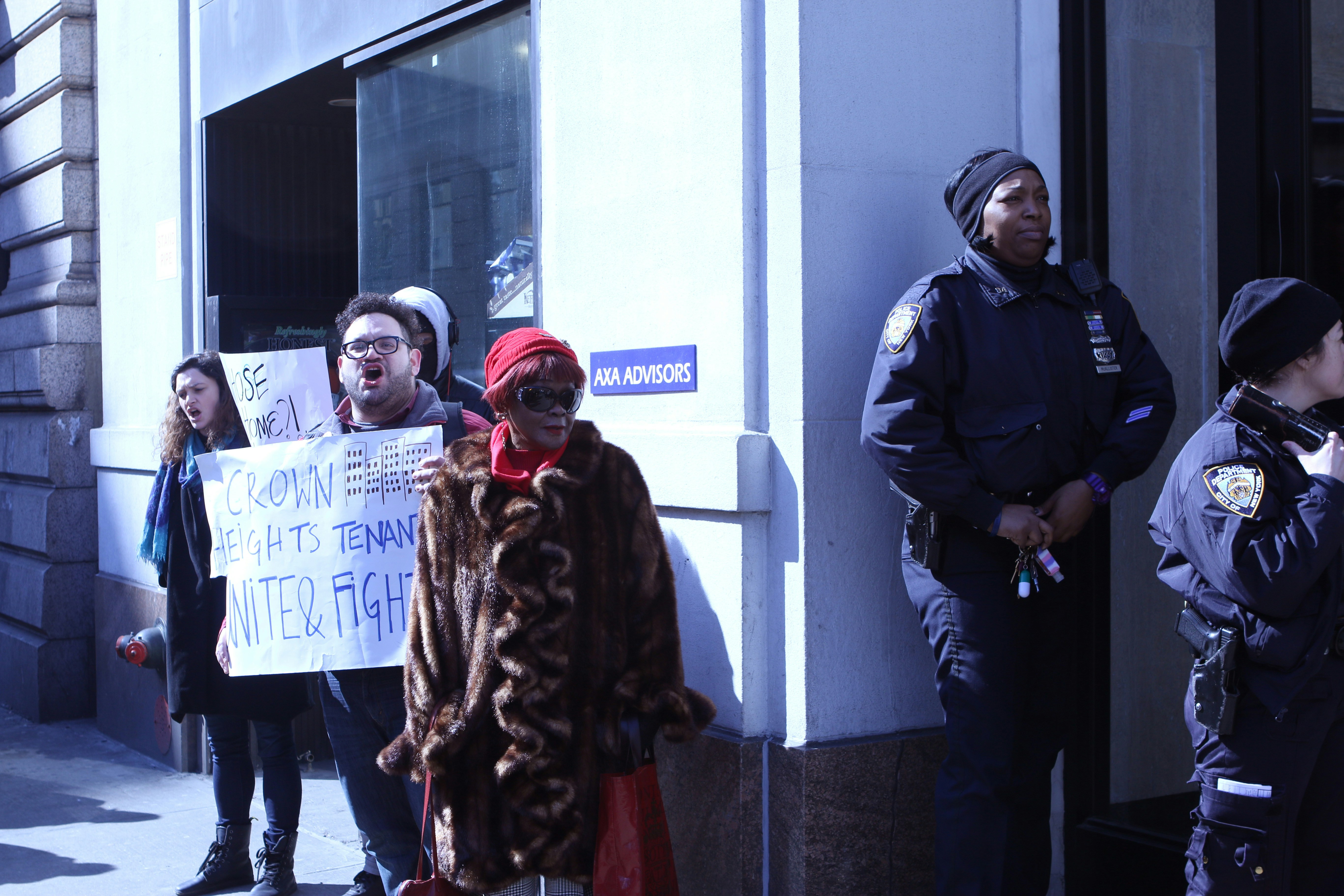
Understanding Your Tenant Rights
As a tenant, it is essential to be aware of your legal rights, which are designed to protect you in the rental process. One of the fundamental rights is the right to a habitable living condition. According to many state laws, landlords are obligated to ensure that rental properties meet basic health and safety standards. This includes access to essentials such as hot water, heating, and adequate plumbing. If a property is uninhabitable, tenants may have the right to withhold rent or request necessary repairs.
Another critical right pertains to privacy. Tenants are entitled to quiet enjoyment of their rental space without unreasonable interference from landlords. Typically, landlords must provide proper notice before entering the property, barring emergencies. This right emphasizes the importance of respecting tenants’ space, which helps maintain a harmonious landlord-tenant relationship.
Additionally, tenants have the right to due process in eviction proceedings. This means landlords must follow legal protocols, including providing adequate notice and obtaining a court order, before evicting a tenant. Not adhering to these procedures may render the eviction unlawful, thus safeguarding tenants against unjust removal from their residence.
Discrimination protections are also crucial for tenants. Fair housing laws prohibit landlords from denying housing or imposing different terms based on race, gender, religion, disability, or familial status. Awareness of these protections can help tenants recognize their rights when facing potential bias during the rental process.
It is important to note that tenant rights may vary by locality and state. Therefore, tenants must familiarize themselves with the specific laws applicable in their area. Understanding these rights can empower tenants to navigate their rental agreements confidently and seek redress for any violations effectively.
Lease Agreements: What You Need to Know
Lease agreements serve as a fundamental legal document between landlords and tenants, outlining the rights and responsibilities of both parties. Understanding these agreements is crucial for tenants to ensure they are informed about their obligations and the terms governing the rental property. A typical lease agreement will include several key components: duration, rent payment, security deposits, and maintenance responsibilities.
The duration of the lease specifies the length of the rental agreement, which can range from a few months to multiple years. Tenants must be aware of the start and end dates, as well as any clauses that allow for renewal or early termination. A clear understanding of these terms prevents misunderstandings and potential legal issues.
Rent payment terms are another critical aspect of lease agreements. This section outlines the amount due, payment methods, and the timeline for payments. Tenants should pay attention to any clauses related to late fees or grace periods, as failing to meet payment obligations could lead to serious consequences, including eviction.
Security deposits are often required before moving in, serving as protection for the landlord against potential damages or unpaid rent. It is essential for tenants to know the amount required, the conditions under which the deposit may be withheld, and the timeline for its return after the lease ends. Proper documentation, such as a walk-through checklist, can help secure the return of the deposit.
Maintenance responsibilities are typically divided between landlords and tenants within the lease agreement. Understanding who is responsible for repairs and maintenance can prevent conflicts. Tenants should clearly convey maintenance issues to landlords and document how they are addressed.
Before signing a lease, tenants should thoroughly review the agreement and consider negotiating certain terms. This may include seeking clarity on vague clauses or adjusting terms to better suit individual needs. Taking these steps can help ensure a smooth and mutually beneficial rental experience.
Security Deposits: Laws and Best Practices
Security deposits are a crucial aspect of the landlord-tenant relationship, serving as a financial safeguard for landlords against potential damages or unpaid rent. However, these deposits are also governed by specific laws, which vary by jurisdiction, dictating the maximum amount a landlord can charge and the regulations surrounding the return of these funds. Generally, landlords can request a security deposit equal to one or two months’ rent, but this limit is determined by local laws. Potential tenants should familiarize themselves with their state’s regulations to ensure compliance on both sides.
Upon moving out, tenants can expect their security deposit to be returned within a specific timeframe, typically ranging from 14 to 60 days, depending on local legislation. It is essential to understand that landlords may withhold a portion of the deposit for lawful deductions such as unpaid rent, necessary repairs beyond normal wear and tear, or cleaning costs. Most jurisdictions mandate that landlords provide a detailed account of any deductions made, thereby allowing tenants to contest unreasonable charges if needed.
To maximize the chances of receiving a full security deposit refund, tenants should take proactive measures during the rental process. Documenting the condition of the property at both move-in and move-out is vital. This can be achieved through photographs or a detailed checklist highlighting any existing issues. Additionally, maintaining open communication with the landlord throughout the tenancy can help address potential disputes before they escalate. When vacating, ensuring the property is thoroughly cleaned and any minor repairs are addressed may further aid in recovering the security deposit in its entirety.
Handling Repairs and Maintenance Issues
As a tenant, understanding your rights concerning repairs and maintenance is fundamental to ensuring your living environment is safe and habitable. The law typically mandates that landlords are responsible for maintaining the rental property and addressing necessary repairs in a timely manner. This includes issues related to plumbing, heating, electrical systems, and structural integrity. When a repair is needed, it is the tenant’s responsibility to report these issues to the landlord, preferably in writing, to create a record of the request.
Upon receiving a repair request, landlords are generally obligated to respond within a reasonable timeframe, which may vary by jurisdiction. In many areas, this timeframe can range from a few days to a couple of weeks, depending on the severity of the repair needed. For example, urgent issues like water leaks or lack of heat should be prioritized and addressed more quickly than cosmetic repairs. It is advisable for tenants to keep copies of all correspondence related to repair requests to document their efforts in seeking necessary maintenance.
If landlords fail to respond appropriately or remedy the situation within the specified timeframe, tenants have several options. Initially, they can follow up with the landlord, reiterating the request and expressing the urgency of the situation. If the issue remains unresolved, tenants may consider notifying local housing authorities or seeking mediation services. In more severe situations, tenants may have the right to withhold rent or pursue legal action, such as filing a complaint in small claims court, to compel their landlords to fulfill their responsibilities. However, it is crucial to understand local laws governing these actions to ensure compliance and mitigate risks. Thus, staying informed about your rights and the appropriate steps to take is essential for effectively handling repair and maintenance issues in a rental property.
Eviction Process: Know Your Rights
The eviction process is a legal mechanism employed by landlords to remove tenants from rental property, and it is essential for tenants to understand their rights during this process. Landlords may initiate an eviction for several valid reasons, including non-payment of rent, lease violations, or expiration of the rental agreement. It is crucial to note that landlords must provide tenants with proper notice before proceeding with eviction. This notice period typically varies by jurisdiction, with many places requiring at least a 30-day written notice. Failure to provide appropriate notice may render the eviction invalid.
Once the notice period has elapsed without resolution, a landlord can file an eviction lawsuit, commonly referred to as an unlawful detainer action. At this stage, tenants have the right to contest the eviction in court. They can present their case, including any evidence supporting their defense against the eviction. Tenants should understand that they have an opportunity to challenge the allegations made by the landlord, whether that be disputing claims of unpaid rent or arguing against lease violations.
It is essential for tenants to be proactive during the eviction process. Seeking legal counsel can provide crucial guidance on how to navigate the complexities of eviction laws and ensure that a tenant’s rights are protected. A qualified attorney can help decipher legal documents, advise on potential defenses, and represent the tenant in court. Tenants should also be aware of their rights concerning retaliation. If they believe an eviction is being pursued in response to a complaint about their housing conditions, they may have additional grounds for contesting the eviction.
Understanding the eviction process, along with the associated rights and responsibilities, is vital for every tenant. Empowered with this knowledge, tenants can better protect themselves and seek appropriate recourse in the face of potential eviction.
Discrimination and Fair Housing Laws
Fair housing laws are essential components of tenant rights, aimed at ensuring that all individuals seeking housing are treated fairly and without discrimination. These laws protect against bias based on specific characteristics, including race, color, national origin, religion, sex, familial status, and disability. It is crucial for tenants to understand their rights under these regulations to foster an equitable rental environment.
The Fair Housing Act, enacted in 1968 and amended subsequently, constitutes the foremost legal framework safeguarding renters from discrimination. It prohibits not only overt discriminatory practices but also policies that may disproportionately affect one group over another. For instance, a landlord cannot refuse to rent to an individual solely based on their racial background or impose different rental terms based on a tenant’s familial status.
If a tenant suspects that they have faced discrimination during the rental process, several steps can be taken to address the situation. Initially, it is advisable to document specific instances, including dates, correspondence, and any witnesses involved. This comprehensive record can provide valuable evidence when taking further actions. Subsequently, tenants may choose to reach out to their local or state fair housing agency. These agencies can provide guidance on the situation and inform tenants of their options for pursuing a complaint.
Additionally, tenants may file complaints with the U.S. Department of Housing and Urban Development (HUD). HUD investigates allegations of discrimination and can facilitate mediation between the parties involved. If mediation fails, further legal action may be pursued, including litigation. It is essential for tenants to act promptly and within any specified timeframes required by local jurisdictions to ensure their claims are effectively addressed.
Understanding Rent Control and Stabilization
Rent control and rent stabilization are regulations imposed by certain jurisdictions to protect tenants from excessive rent increases and to promote housing stability. These policies vary widely between different locations, but they often share the common goal of ensuring affordable housing for residents. Understanding these regulations is essential for tenants as they navigate their rights and responsibilities within the rental market.
Typically, rent control limits the amount by which a landlord can increase rent for a given period. This means that even if the market rates rise significantly, tenants in rent-controlled units may not experience proportional increases, often only seeing modest adjustments that align with specific percentage guidelines. On the other hand, rent stabilization offers a slightly different framework, often providing some protections against hefty rent hikes while allowing for moderate increases based on predetermined criteria linked to inflation or other economic indicators.
Rents in these controlled or stabilized units are usually designated by local laws that determine eligibility and coverage. This means not all rental properties will fall under these rules; guidelines differ significantly from city to city. Tenants can discover whether their residence is governed by rent control or stabilization laws by consulting their local housing authority or tenant union. Such organizations often provide resources and documentation that clarify the status of various properties.
Should tenants experience unlawful rent increases, it is important to report these violations to local authorities. Documentation of the original lease agreement, rent history, and any communication with the landlord regarding rent changes can be critical when addressing disputes. Through understanding their rights regarding rent control and stabilization, tenants can advocate for themselves, ultimately leading to a more stable and fair housing environment.
Subleasing: What Tenants Should Know
Subleasing refers to the process where a tenant (the original lessee) rents out their leased property to another individual (the sublessee) while retaining their own leasing obligations. It is crucial for tenants to understand the legality and requirements associated with subleasing to ensure compliance with their lease agreements and to protect their rights. Before considering subleasing, tenants should carefully review their lease contracts, as most agreements outline specific clauses related to subleasing. This includes whether subleasing is permitted at all and the conditions under which it may occur.
In many cases, landlords may either prohibit subleasing entirely or require prior written consent before a tenant can proceed with finding a sublessee. Even if the lease does allow for subleasing, it often comes with stipulations such as a requirement that tenants provide the landlord with the sublessee’s information for approval. It is vital to adhere strictly to these guidelines, as failing to obtain permissions may expose the original tenant to risks such as lease termination, liability for the sublessee’s actions, or financial loss in the event of a dispute.
Furthermore, tenants should conduct thorough background checks and screening processes for potential sublessees to mitigate risks. This includes verifying the financial stability of the individual and ensuring they will adhere to the original terms of the lease. It is advisable for tenants to draft a formal sublease agreement that outlines the rights and responsibilities of both parties, ensuring legal protection should disagreements arise. Clear communication between the original tenant and the sublessee can significantly reduce misunderstandings and conflict. By being informed and proactive about the subleasing process, tenants can navigate this complex situation effectively while safeguarding their interests.
Finding Legal Help: Resources for Tenants
For tenants navigating the complexities of rental agreements and housing laws, access to legal assistance can be crucial in ensuring their rights are upheld. There are various resources available to tenants seeking legal help, each offering unique support tailored to different legal issues. Local legal aid offices provide professional assistance to low-income tenants striving to understand their housing rights. These organizations often offer free or low-cost legal consultations and can represent individuals in housing court, thus addressing concerns such as unlawful evictions or lack of essential services.
In addition to legal aid offices, tenant unions present an invaluable resource for renters. These unions advocate for tenants’ rights at the local and state levels, often providing educational workshops to inform members about their rights and responsibilities. By joining a tenant union, individuals can gain access to collective bargaining power, making them less vulnerable to unfair practices from landlords. Furthermore, tenant unions frequently offer guidance on how to effectively document complaints and grievances, which is essential in any legal dispute.
Online resources also play a significant role in educating tenants about their rights and providing crucial legal support. Websites such as Nolo and LegalZoom offer invaluable information pertaining to tenant laws, sample lease agreements, and insights into common landlord-tenant disputes. These platforms typically feature articles, legal forms, and directories of local attorneys specializing in tenant law. It is important to utilize these online resources not only for information but also as a means to connect with local legal professionals if needed. Timely and appropriate legal advice can prevent issues from escalating, making early intervention critical for tenants seeking to protect their rights.














Post Comment